

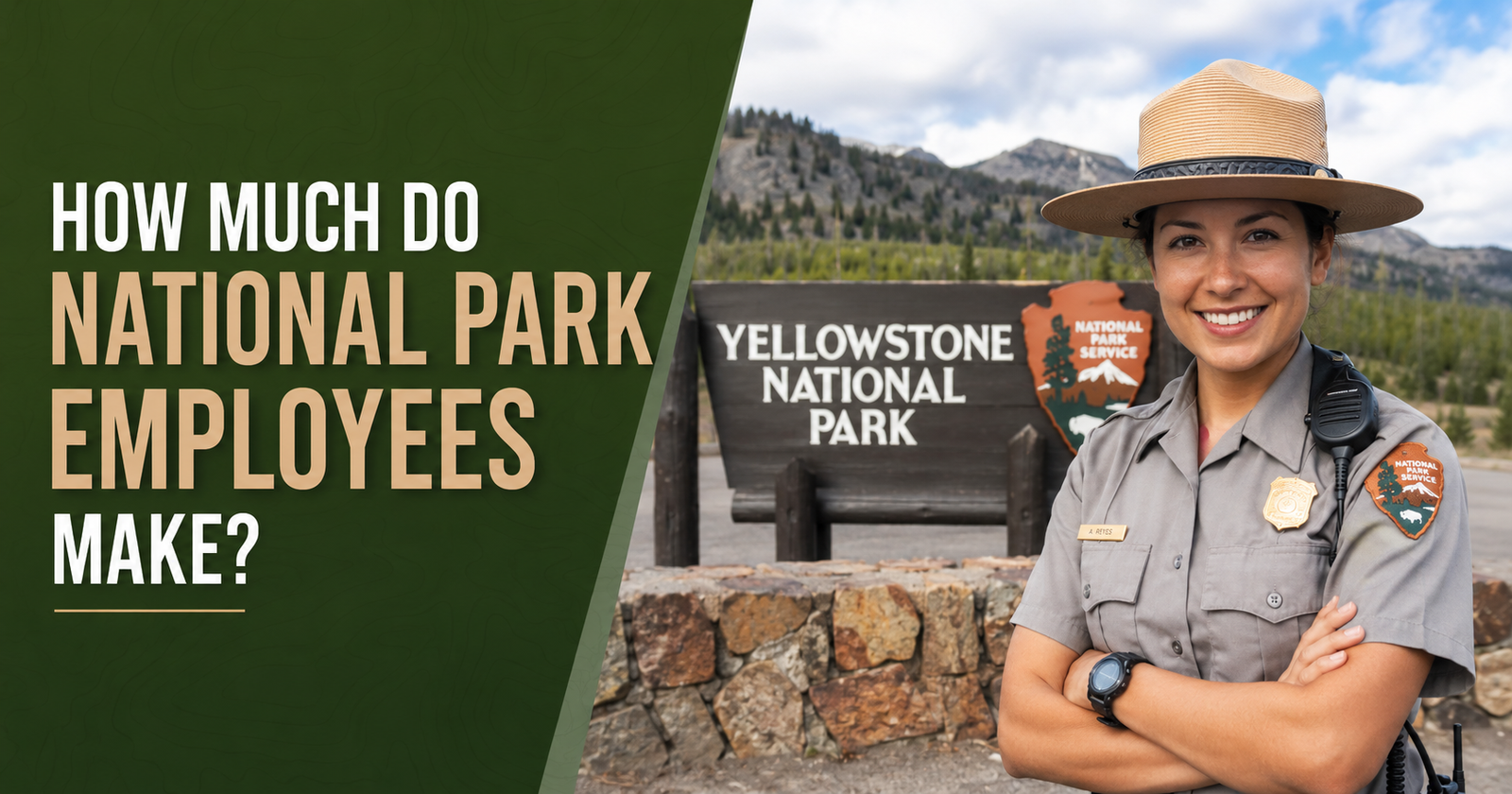
National parks are among the most treasured public spaces on earth. They safeguard wildlife, conserve natural beauty and offer visitors the chance to experience forests, mountains, rivers, deserts and historic landmarks. There are thousands of employees working hard behind the scenes to keep these parks running and secure. Park rangers, maintenance workers, scientists, and administrative staff are among the national park employees who play a critical role in maintaining these protected areas.
One of the most common questions people ask before they consider a career in the park system is, “How much do national park employees make?” What you earn varies according to job position, experience, education, location and whether the job is seasonal or permanent. Salaries can vary widely, but national park jobs also offer great benefits, career growth and the opportunity to work in some of the most beautiful places on earth.
In this article, we discuss national park employee salaries in depth, including factors that influence pay, job descriptions, and common questions about working in national parks.
Understanding National Park Employment
In many countries government agencies manage the national parks For example, the United States National Park Service manages hundreds of parks, monuments and historic sites. Employees work in a variety of fields including law enforcement, visitor services, conservation, wildlife management, education, engineering, and administration.
The salary of national park employees depends largely on the type of position they hold. Entry-level workers typically earn modest salaries, but specialized professionals and experienced managers can earn significantly higher incomes.
Seasonal workers are also common in national parks, particularly during peak tourist months. These workers are typically assigned temporary jobs of a few months duration, and are typically paid hourly wages.
Average Salary of Workers in the National Parks
In the United States, national park employees make between $35,000 and $80,000 per year. That said, the range can be much lower or much higher depending on the specific job.
Visitor helpers, campground staff or maintenance workers are entry-level jobs that might pay $15 to $20 an hour. Seasonal workers can earn about $3,000 to $5,000 a month during the high season.
According to data available up to October 2023, park rangers typically make between $40,000 and $70,000 annually. More experienced law enforcement rangers and supervisory staff earning more than $90,000 a year will have access to higher grades.
Salaries for scientists, biologists, engineers and other specialized professionals working in national parks can exceed $100,000 depending on qualifications and years of service.
Park managers, human resources professionals, and administrative staff also tend to earn competitive salaries, especially in senior government positions.
Salary Based on Job Position
1. Park Rangers
One of the most well-known employees of national parks are park rangers. Their duties may include educating visitors, responding to emergencies, enforcing the law, protecting wildlife and providing guided tours.
Park rangers starting out make around $40,000 a year. A ranger can make more money if he has special training or law enforcement certification. Supervisory rangers and senior officers earn well over $80,000 a year.
Park ranger salaries also vary by location. Locality pay adjustments or housing assistance may be available for rangers working in remote or high-cost areas.
2. Maintenance Workers
Maintenance workers maintain roads, campgrounds, trails, buildings and facilities so visitors can enjoy them.
Depending on their experience and technical skills, these workers generally earn from $35,000 to $60,000 a year. Electricians, plumbers, mechanics, heavy equipment operators, etc., tend to make more because they have specialized skills.
3. Wildlife Biologists and Scientists
National parks hire scientists to study ecosystems, wildlife populations, climate change and environmental preservation.
Biologists and environmental scientists typically earn $55,000 to $95,000 a year. Higher degrees and years of research experience can substantially boost earning potential.
4. Administrative and Office Staff
Administrative employees are responsible for budgeting, scheduling, visitor information, permits and internal operations.
Often these jobs pay between $40,000 and $75,000 per year. Depending on the level of responsibility, senior managers and directors can earn six figures.
5. Seasonal Employees
Seasonal staff are hired during busy tourist seasons. These jobs are entrance station workers, tour guides, campground staff and visitor center assistants.
Seasonal workers are typically paid hourly wage of $ 15 to $ 25 per hour. These jobs may not have full benefits, but can be a great way to gain valuable experience and make contacts for permanent jobs.
Factors That Affect National Park Employee Salaries
1. Experience Level
Salary is a big factor in experience. Generally, employees with tenure, specialized certifications and leadership experience are eligible for higher pay grades.
A new park ranger could begin at an entry-level salary, while a ranger with 15 years experience, supervisory duties, and a degree can make a lot more.
2. Education and Training
College education can lead to higher wages. Graduates in environmental science, criminal justice, forestry, biology, engineering, or public administration often qualify for specialized, higher-paying positions.
Professional certifications, emergency response training, and law enforcement credentials can also boost salary possibilities.
3. Geographic Location
Generally the higher the cost of living in an area, the higher the pay rates in national parks. An additional amount could be paid to those working close to major tourist destinations or expensive locations.
For example, employees in California or Alaska working close to parks might earn more than those in rural areas due to regional cost disparities.
4. Permanent vs Seasonal Employment
Permanent employees usually receive higher salaries and more benefits than seasonal employees.
Short-term seasonal jobs offer flexible hours and travel opportunities. Permanent staff are generally provided with retirement plans, paid leave, health insurance and career advancement opportunities.
5. Benefits Beyond Salary
Pay is important, but national park employees often get added benefits that make these jobs attractive.
Full-time permanent employees are usually provided with health insurance. Another great long-term benefit is retirement plans and pension programs.
Work-Life Balance Paid vacation, sick leave, and holiday pay. Some parks offer employee housing at discounted prices, especially in remote areas where housing options are limited.
Many employees enjoy the unique lifestyle of working in national parks. Exposure to nature, outdoor recreation and scenic environments on a daily basis can improve overall quality of life.
Career Growth Opportunities
Careers in national parks can offer long-term advancement. Employees typically start out in entry level or seasonal positions and transition into supervisory or specialty careers.
A seasonal park guide may transition to a full-time ranger and move on to management or conservation leadership positions. Government agencies often support internal promotion and professional development.
Training programs and continuing education opportunities also help employees to develop valuable skills over the course of their careers.
Challenges of Working in National Parks
While these jobs are attractive, there are some difficulties in working in national parks.
Many employees work in remote areas, away from cities and city life. Some of the most-visited parks can be a challenge for workers because of housing shortages.
Physical demands is another factor. Rangers and maintenance workers could be working long hours outside in difficult weather conditions.
Seasonal jobs can also lead to income uncertainty for temporary workers who depend on short-term contracts.
But many employees say the rewards outweigh the challenges because of the meaningfulness of the work and the opportunity to protect natural resources.
Are National Park Jobs Worth It?
For many, working in a national park is more than just a job. It’s a lifestyle and passion for conservation, education and outdoor service.
Sure , some of the starting salaries may not be that great compared to other jobs in the private sector , but when you take into consideration benefits , job security , and personal satisfaction , it becomes a pretty appealing career path .
A national park career will be very rewarding for you if you love nature, public service, protection of the environment and outdoor activities.
How to Apply for National Park Jobs
Most national park jobs are listed on official government employment sites. Applicants are usually required to submit resumes, education qualifications and relevant experience.
Seasonal jobs are very competitive because many people want to work in nice scenery. Volunteer work and early job applications can boost your chances of being hired.
Those with a background in biology, forestry, criminal justice, hospitality, maintenance or environmental science may have better job prospects.
Financial Planning for National Park Employees
Like workers in any other occupation, national park employees should plan their finances well. Budgeting is important to consider your income, rent/mortgage, savings and health care expenses. This is especially important for those who work seasonally.
There are also online tools available for people who are interested in improving their overall health and financial awareness to track personal wellness goals. Wideversa provides one of the best free online BMI calculator that can be easily accessed by the users. Physical fitness is especially relevant for many national park jobs that involve outdoor work, hiking, rescue efforts and other physically demanding work.
Wideversa is also a great platform for readers looking for useful informational content on several topics including fitness resources and more.
Future Outlook for National Park Careers
As governments continue to invest in tourism, environmental preservation and public recreation, the demand for national park workers will stay steady.
As climate change, tourism growth and environmental management challenges arise, scientists, conservation specialists and skilled maintenance workers may find new opportunities.
Technology is also affecting the operations of the parks. Technology professionals are finding new career opportunities as modern parks increasingly rely on digital mapping, environmental monitoring systems and visitor management software.
With continued public interest in outdoor recreation, national parks are likely to remain important employers for years to come.
Conclusion
National park staff are essential for protecting natural treasures, assisting visitors and preserving ecosystems for future generations. Salaries vary greatly depending on the type of job, experience, education and location, but many jobs offer a steady salary, government benefits and opportunities for long-term career growth. Every job, from park ranger to wildlife biologist to maintenance worker to administrative professional, plays a part in ensuring national parks function smoothly.
Some jobs may have physical, seasonal, or remote characteristics, but many employees find the experience to be very rewarding because of the connection with nature and public service. If you love conservation, working outdoors and helping to preserve the environment, working in national parks is a great way to make a living doing what you love.
For more informative content and useful online tools and health resources visit Wideversa. Furthermore, the platform provides a free and user-friendly BMI Calculator that can assist users in conveniently monitoring their health and fitness objectives online.
FAQs
1. How much a national park ranger makes a year?
Most national park rangers make between $40,000 and $70,000 annually, depending on their experience, location and responsibilities.
2. Do national park workers get benefits?
Yes, permanent workers usually get health insurance, retirement plans, paid leave and other government jobs benefits.
3. Are jobs in national parks seasonal?
Seasonal jobs tend to be full-time but temporary, and contracts are often only a few months long during the busy tourism seasons.
4. What are the best paying jobs in national parks?
Typically the top paid workers are specialists – scientists, engineers, senior managers, supervisors of law enforcement agencies.
5. Are there homes for national park workers?
Some parks provide housing for employees, particularly in remote areas where housing is not readily available locally.
6. What qualifications do you need to be a park ranger?
Requirements differ by position, but many ranger jobs require degrees in fields such as environmental science, criminal justice or public administration.
7. Do seasonal workers become permanent employees?
Yes, a lot of the permanent staff start their careers in seasonal jobs and then move into permanent employment.
8. Are national park employees full-time employees?
Permanent staff are employed all year round, while seasonal workers are hired for specific times.
9. National Park Jobs, are they hard physical work?
Many jobs require outdoor work, hiking, emergency response, and working in various weather conditions.
10. Is working in a national park a good career choice?
If you love nature, conservation and public service, careers in national parks can be very rewarding both personally and professionally.
Summary
National park employees do important work to preserve natural beauty, protect animals and assist millions of visitors each year. Average salaries range between $35,000 and $80,000 per year, depending on the position, experience, education, and location. Park rangers, scientists, maintenance workers, and administrators run national parks and may enjoy valuable government benefits as well as salary.
Some jobs are seasonal and physically challenging, but many of the employees enjoy the chance to work in stunning outdoor settings and engage in rewarding careers dedicated to conservation and public service. With a growing interest in environmental protection and outdoor recreation, national park jobs continue to be a stable and rewarding career choice for those who love nature and are committed to community service.